
 |
| If I could but etch in stone one of the most prominent, yet unspoken, mores of our age, this would be it. |
I’m always on the
lookout for new and provocative content to read. I like to keep abreast of the vast number of
moral and social issues that emerge in our world. This incredibly interesting article that I
stumbled upon recently had an interesting biological perspective on pregnancy,
an interesting look into sociological factors contributing to society’s changing
mores regarding pregnancy, and interesting and important moral components as
well: all components integral to the functioning of our world at large as well
as for my enjoyment of a piece.
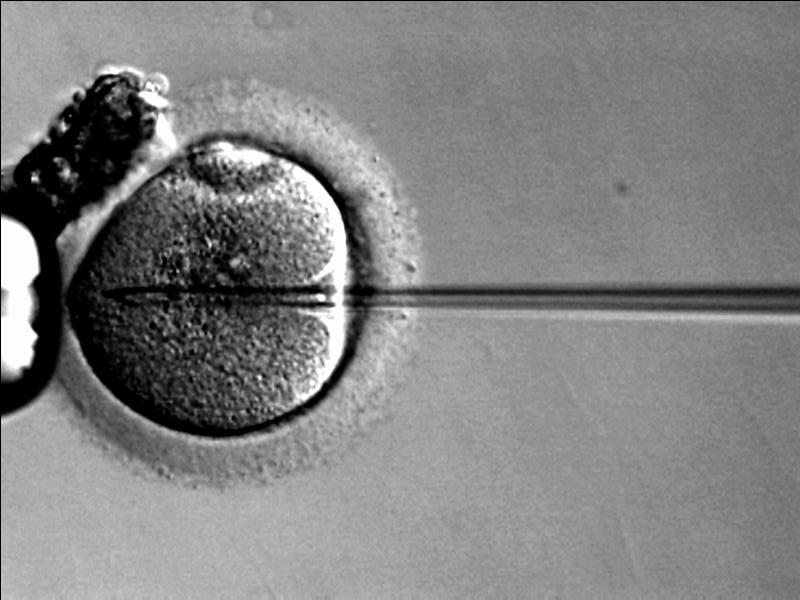
The article talks about
how women are attempting to “beat biology”—their biological clocks in regard to
their fertility—by freezing their eggs so that they can become mothers later in
life: an interesting concept for sure
and one with many dimensions. The first
that springs to my mind is the moral dimension and the practice’s obvious flaw: it is deeply offensive to and beneath human dignity.

The eggs will need to be thawed out, and the
impregnation process will require in vitro fertilization, a practice the Church condemns. The action is contrary to
natural law, for it separates the gift of husband and wife, sex, from the
natural fruit of the act, a child. A
child is created, yes, though not in an intimate exchange of total, self-giving
love, but in an economic transaction.
It prompted thought
about our world’s perception of pregnancy, motherhood, and family. That women feel the need to advance their
careers at the expense of a fulfilling family life because of a so-called
“pressure” is shameful. The feminism of
yore and in our own day has degraded the mystical quality of femininity and
swapped it out for a cheap view of woman as an organism that must choose
between society and family—children or success in the workplace. Oftentimes, however, the choice is framed so
negatively against domestic life and motherhood that these incredibly
fulfilling options are shunned outright, though perhaps chosen begrudgingly—as a mere
after-thought—if they are ever chosen at all, that is.
 |
| Perhaps one of the greatest joys of this life. |
It is indeed a testament to the branding
power of this movement—as well as the incredible fumble by Catholic leadership
for the last several decades—that this procedure is quickly gaining
credibility.
I will not be
discussing the moral, social, or political factors as they relate to this
procedure; rather, I would like to make a simple connection between the growing
legitimacy of this procedure and our everyday lives—what this procedure says
about us as a society and as people, more simply.
Fact of the
matter? We are paralyzed by
indecision. Our modern world offers so
many enticements and pleasures and distractions and whatnot that, in the
pursuit of “keeping our options open,” we never actually make a single
meaningful decision. We are not
decisive. We are wishy-washy and
weak. Don’t get me wrong: I’m all for
keeping my options open as much as the next guy. What I am not
for, however, is a society that so praises and enshrines and validates keeping
our options open—of living in a potential state, rather than in a determined
and convicted state—an actual state—that we never actually shape our
lives and destinies. We live in a dimly real present,
saturated with visions of future pleasures and advancements and
improvements. We live passively, and, in
waiting for, as the first article says, “Mr. Right” to come along, we lose our nerve, our grit, or whatever you want to call it, to actually do something
meaningful.
 |
| I keep hearing that he may fit the bill, but I don't know to be honest. |
We freeze our eggs, waiting for the “perfect moment” in which to take the plunge of motherhood, fatherhood, parenthood. We live in extended adolescences, never truly rising to the occasion of our destiny to be providers and nurturers—adults. We cohabitate, a fanciful euphemism for “extended dating,” never biting the bullet (so to speak) of finally admitting that this person is “the one.” We contracept away our most fruitful child-bearing years, in favor of frivolous, and, ultimately, unfulfilling sex. We abort away our futures willy-nilly because we cannot face the fact that our actions (sex) have consequences (babies and diapers and formula).

As Pope Francis said to a crowd of millions of young people while in Rio de Janeiro for the World Youth Day 2013: “I am asking you to rebel against this culture that sees everything as temporary and that ultimately believes that you are incapable of responsibility (emphasis mine).”
Now, what does authentic Catholic Christianity have to do with this shameful paralysis of our culture, of our world? A paralysis so gripping it threatens to destroy everything it touches? It means living with conviction! With purpose, with drive, with that mystical something that changes potentiality to actuality, inaction to action, fear of acting and messing up to courage in the face of doubts about the outcome of our actions. In essence, indecision and the endless trope of “keeping our options open” and “waiting for something better to come along” are incompatible with an authentic Catholic life.
Look to the
Apostles, the early Church Fathers, the martyrs, the saints, our recent popes:
all are men and women of conviction, of resolve, of determination, of grit, of
action! They see the will of God, and
they do it. Sure they are afraid, or
feel that they are unworthy, and yes, even they hesitated, but they ultimately
acted, and when they acted, they acted decisively. They saw the goal, and when they had brought
themselves to act, it was with purpose, with a single-minded dogmatism that is
one of the most glorious attributes of a true Catholic. The ability to pursue any number of tasks,
all for a single end—the further glorification of God Almighty—is a
characteristic of the greatest men and women of the Church.
But no: our
culture praises the floater, the one who can do all things at all times because
he has never chosen anything to the exclusion of anything else. He has never started to truly live! We are creatures of potential. We are always moving from one state to
another. We are either advancing or
falling back, improving or devolving—this is our nature. As such, choices must be made, otherwise, we
do not truly live and reach our goal.
And what is our goal, ultimately?
To reach God! To come to the
Beatific Vision in fulfillment of all of our desires. We are to be partakers in the divine nature,
to return home to our Father and His Son, Christ Jesus.
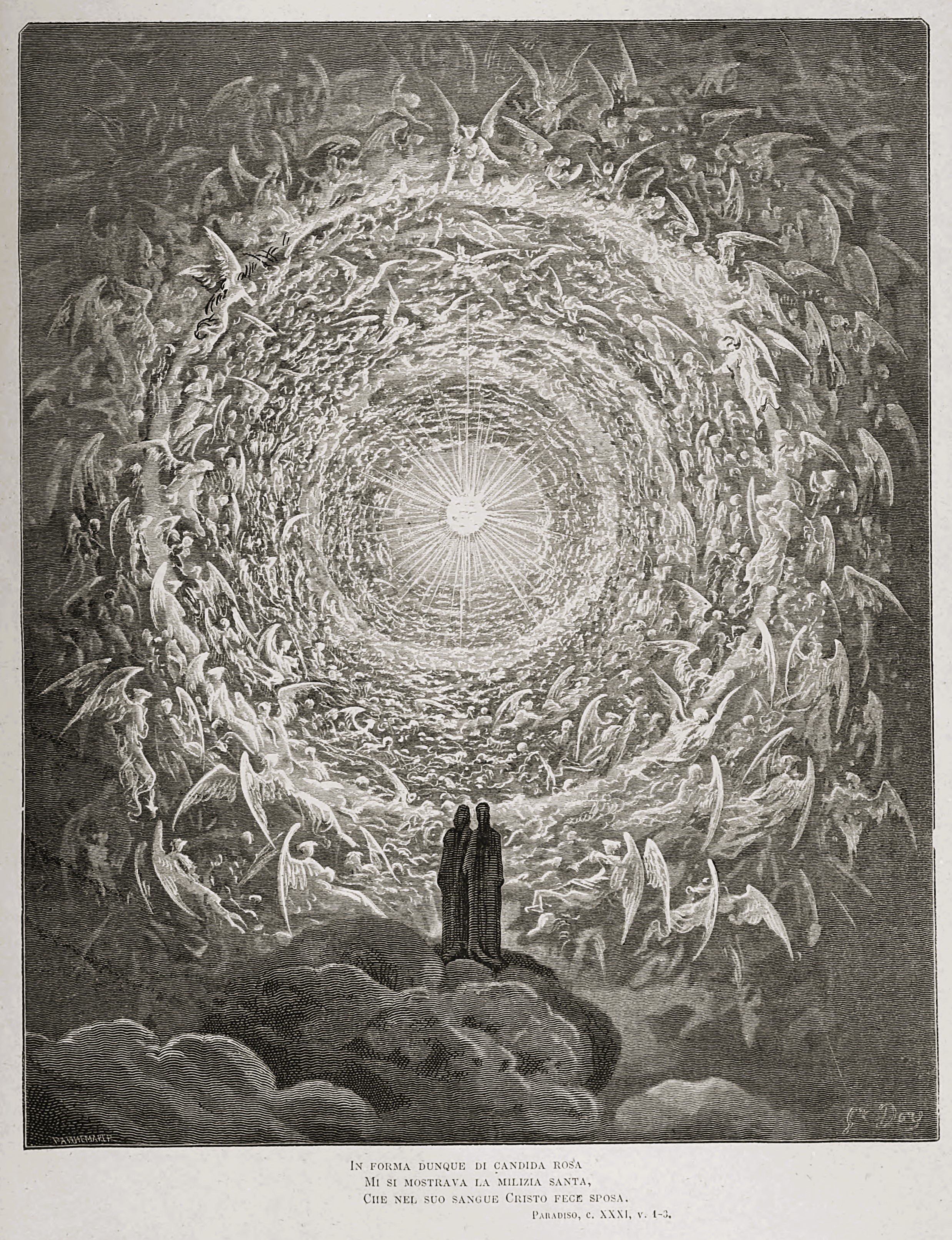 |
| Trust me; this picture doesn't do Heaven justice at all. |
A wispy, weak, and undisciplined will is our worst enemy.
.jpg)
tl;dr Carpe Diem!
.JPG)


.JPG)


